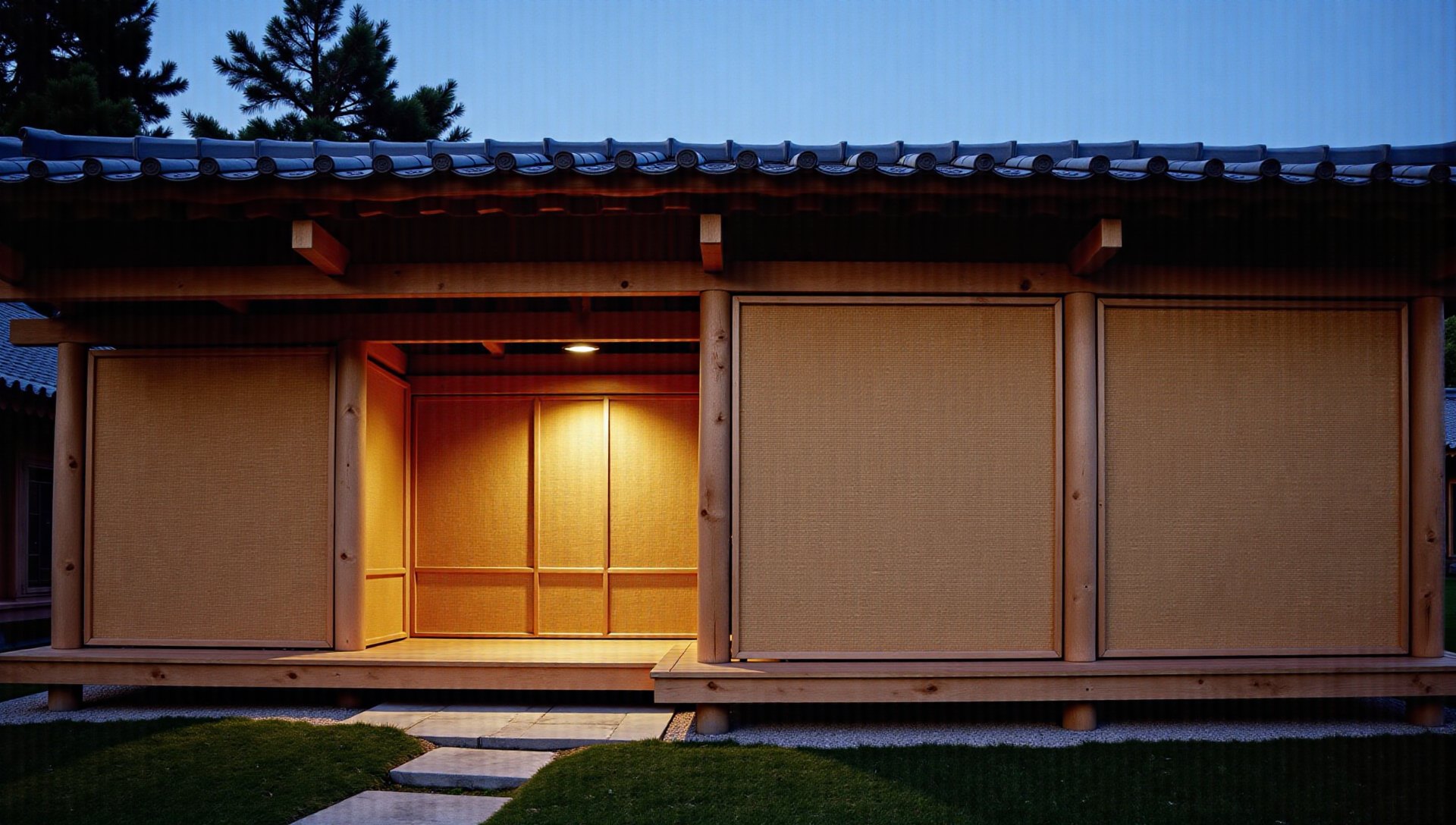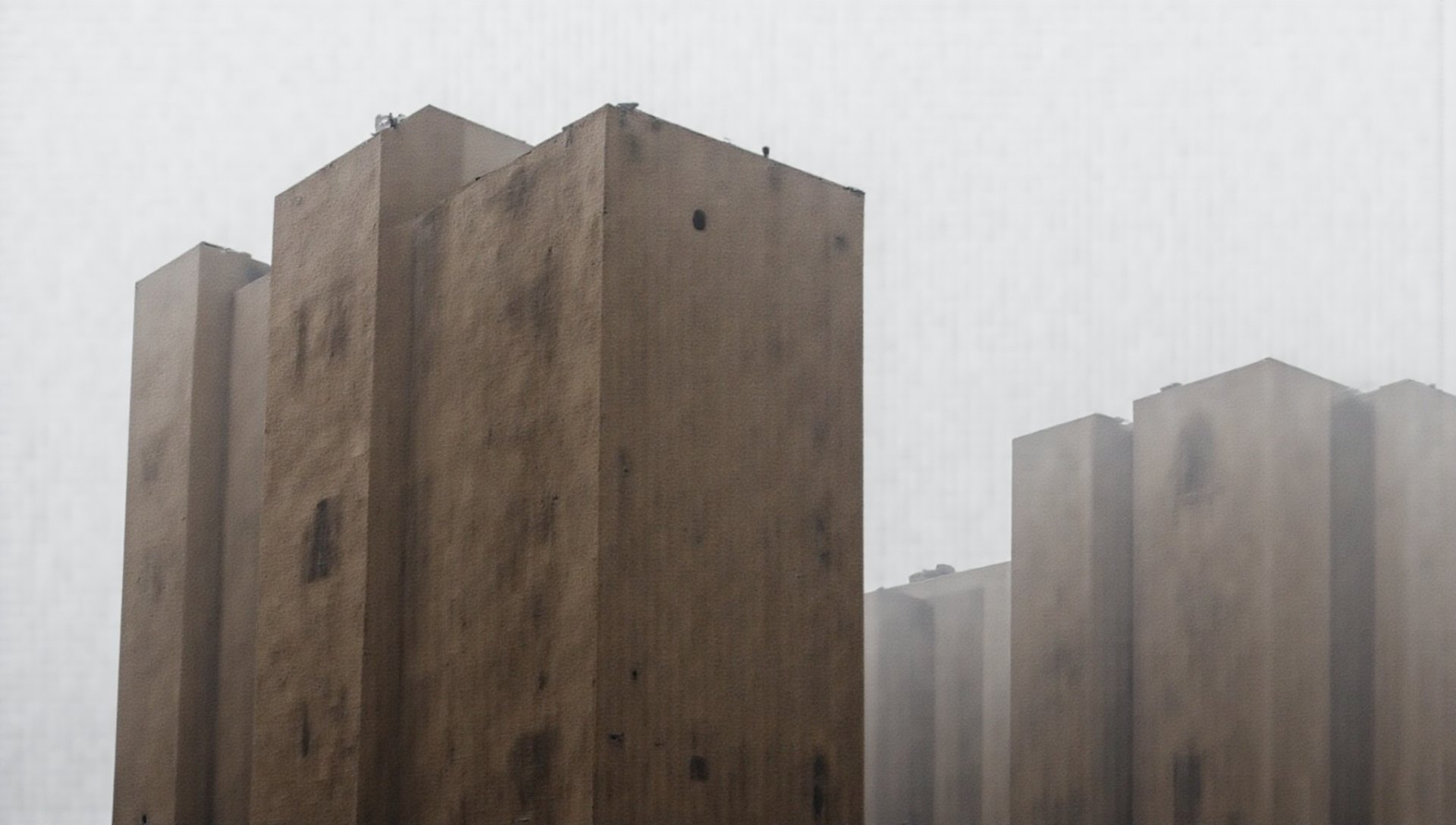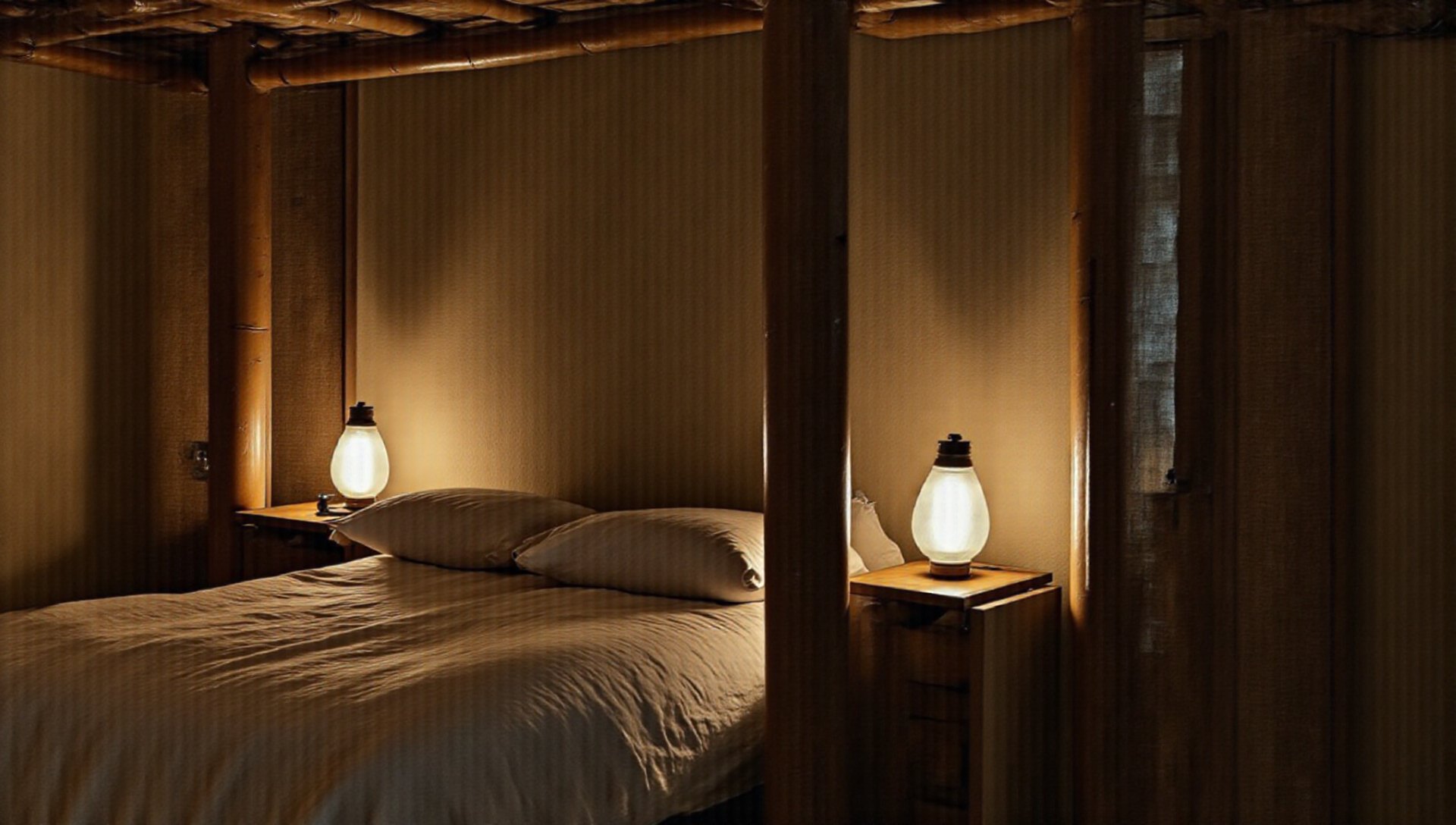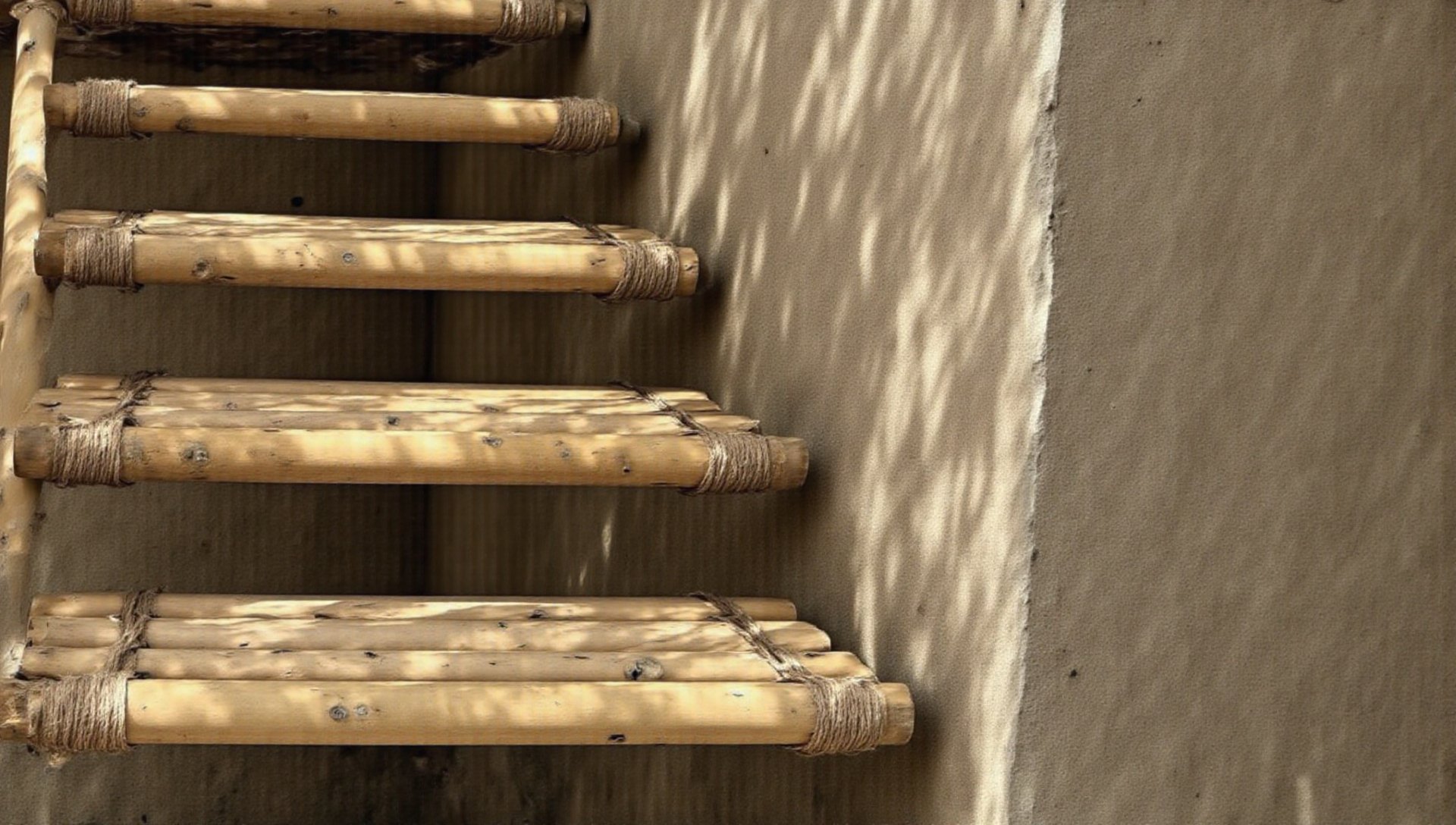
No written analysis was handed in. This summary comes from the review slides.
The question
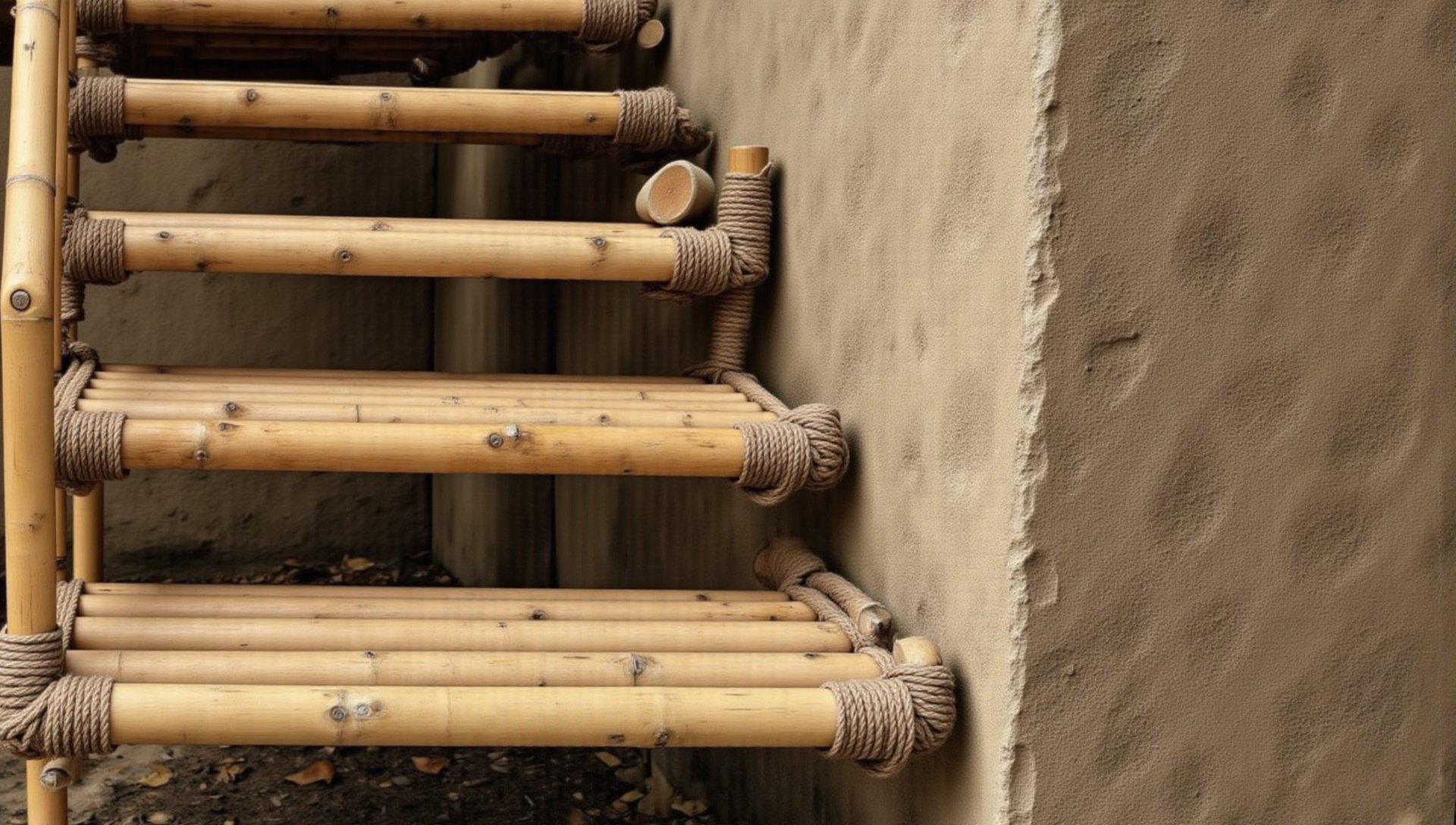
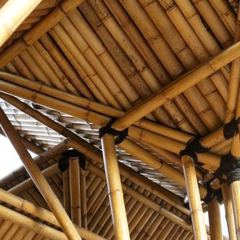
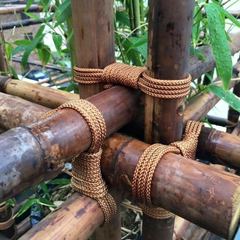
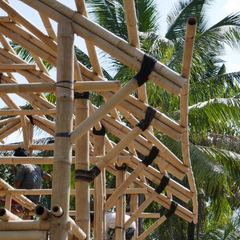
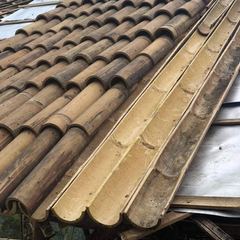
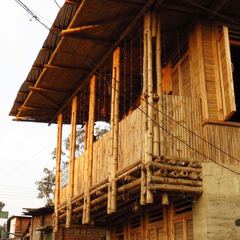
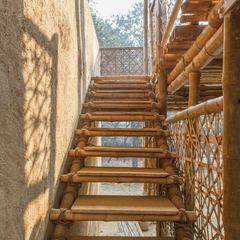
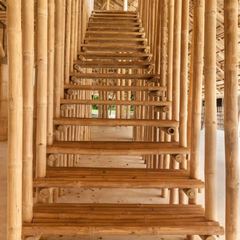
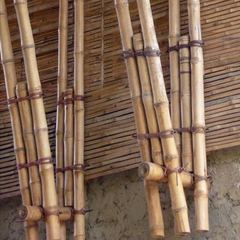
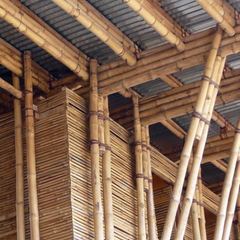
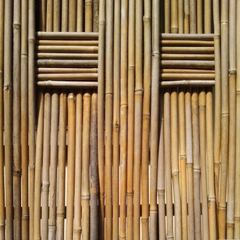
Base models can draw "a bamboo building" but not how bamboo actually goes together: the lashing at a node, a bundle of culms acting as a column, split-culm roof tiles. Arushi collected niche images of real joinery to see if a LoRA could carry those details into new buildings.
What they did
- Built a dataset of bamboo joinery photographs from practices known for bamboo, with captions describing each joint in detail.
- Trained two LoRAs and compared each prompt with and without them.
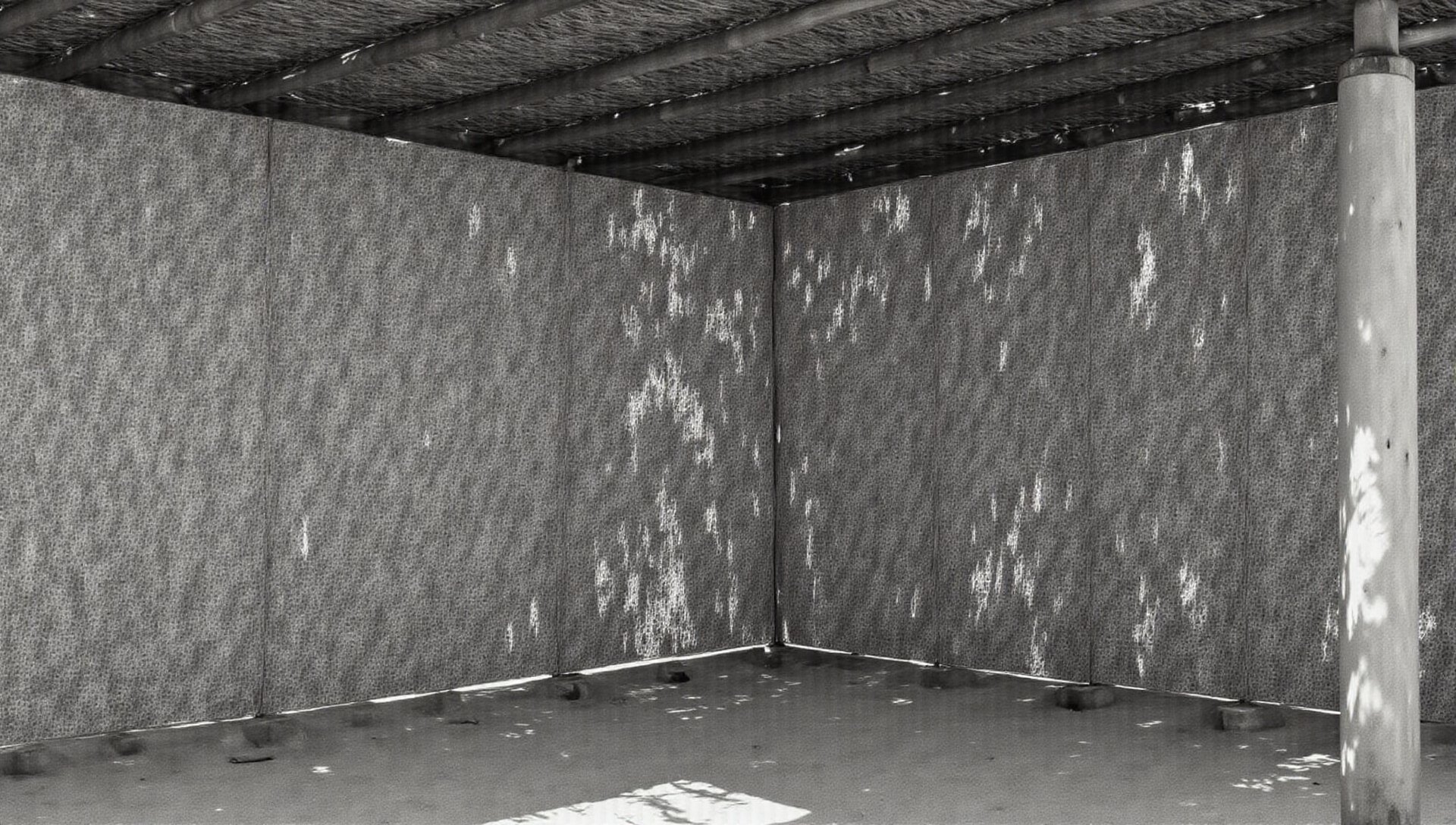
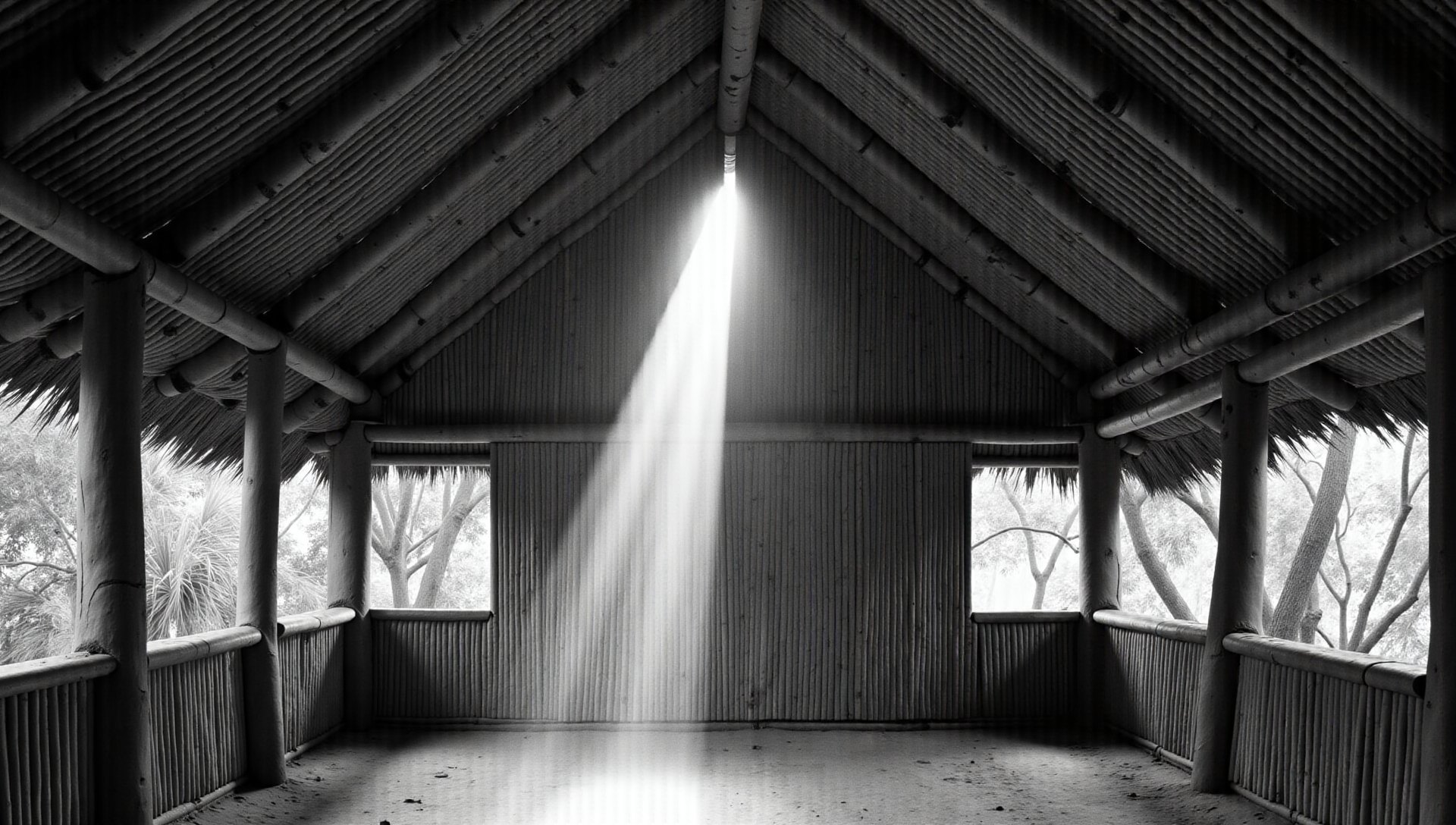
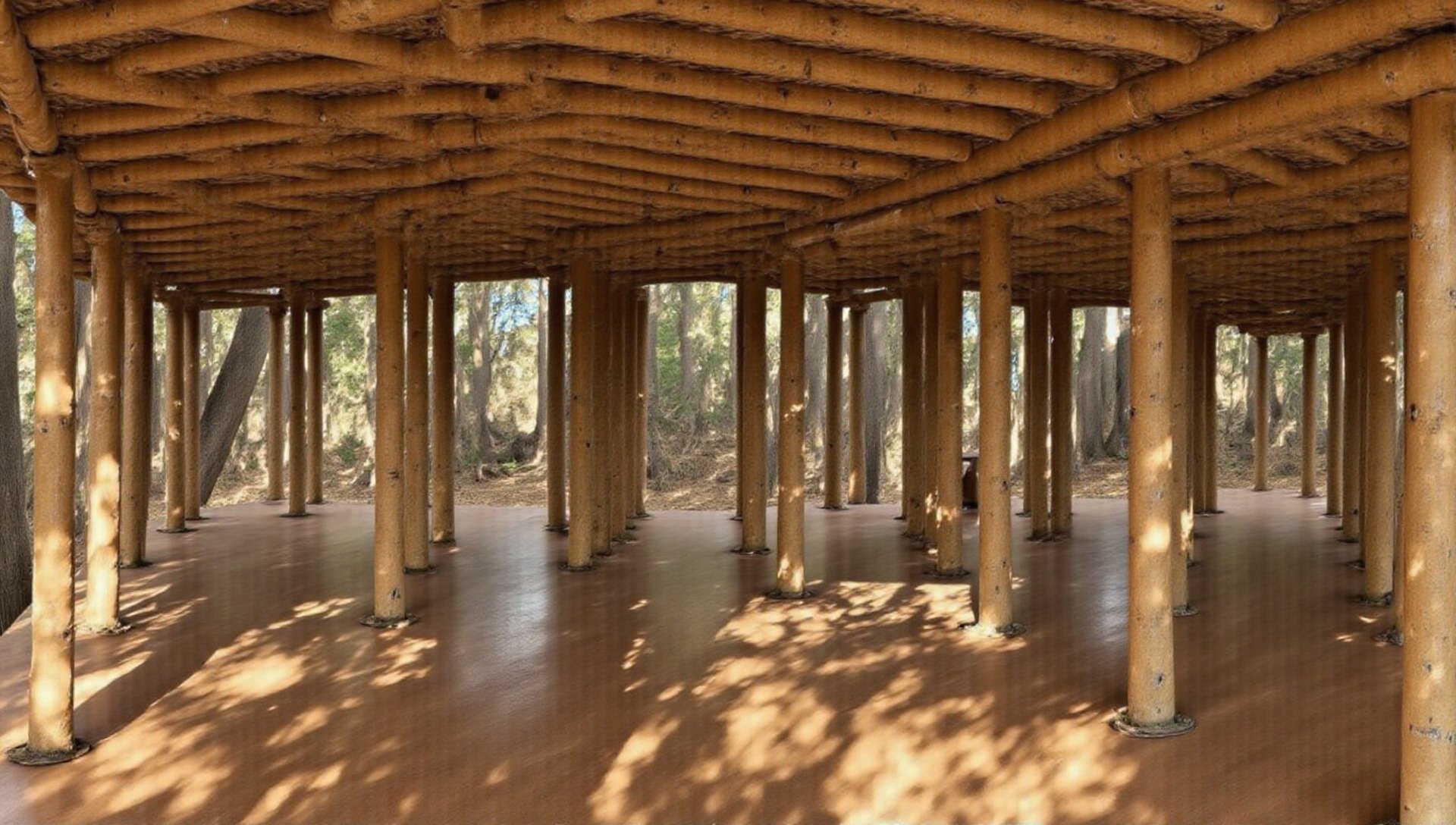
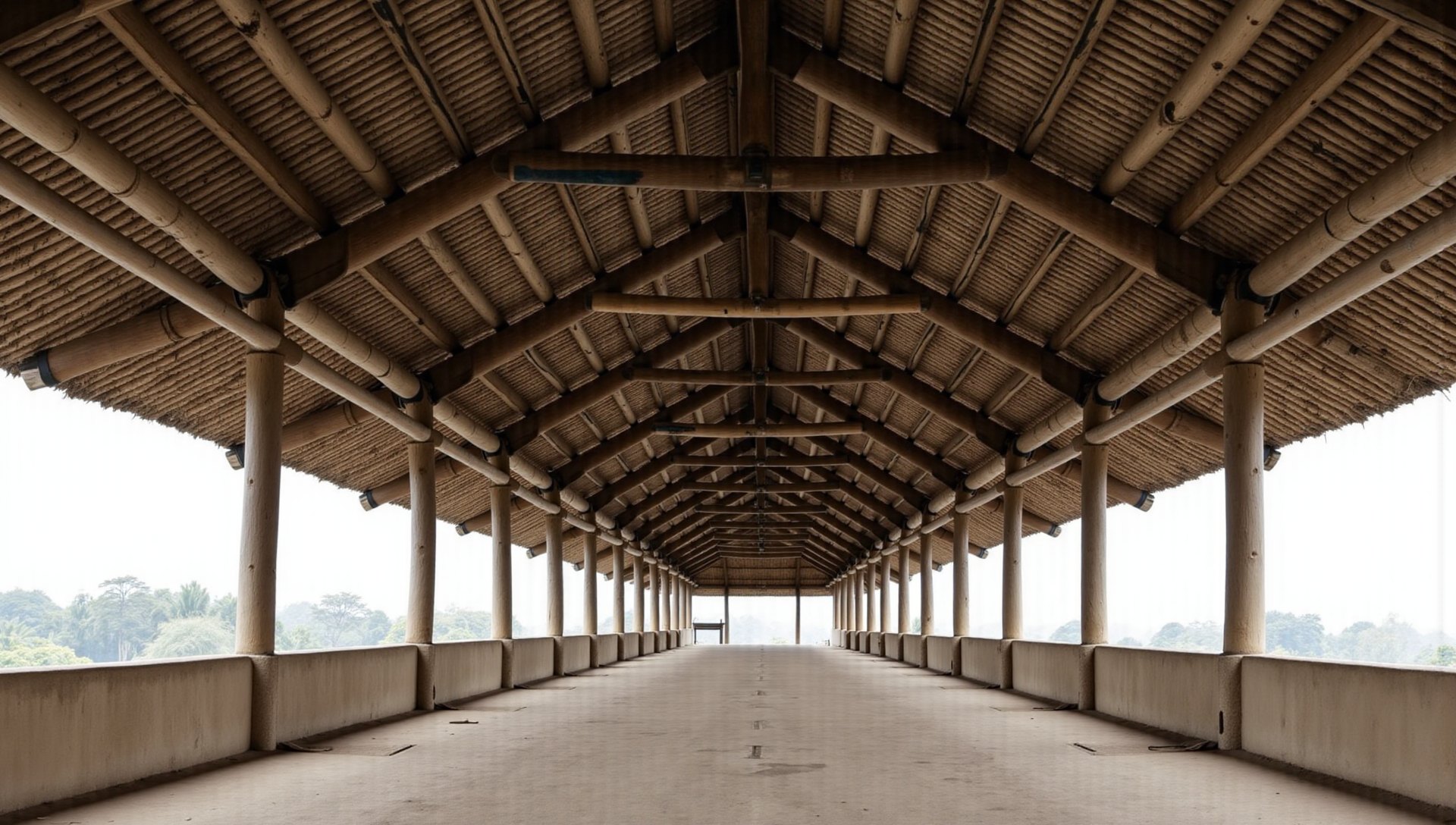
- Made a series called Culm, moving through regional traditions: Latin American, Vietnamese, Javanese, Filipino, Indian and Japanese. Many prompts asked for black-and-white film photography (Ilford, Tri-X, Neopan).
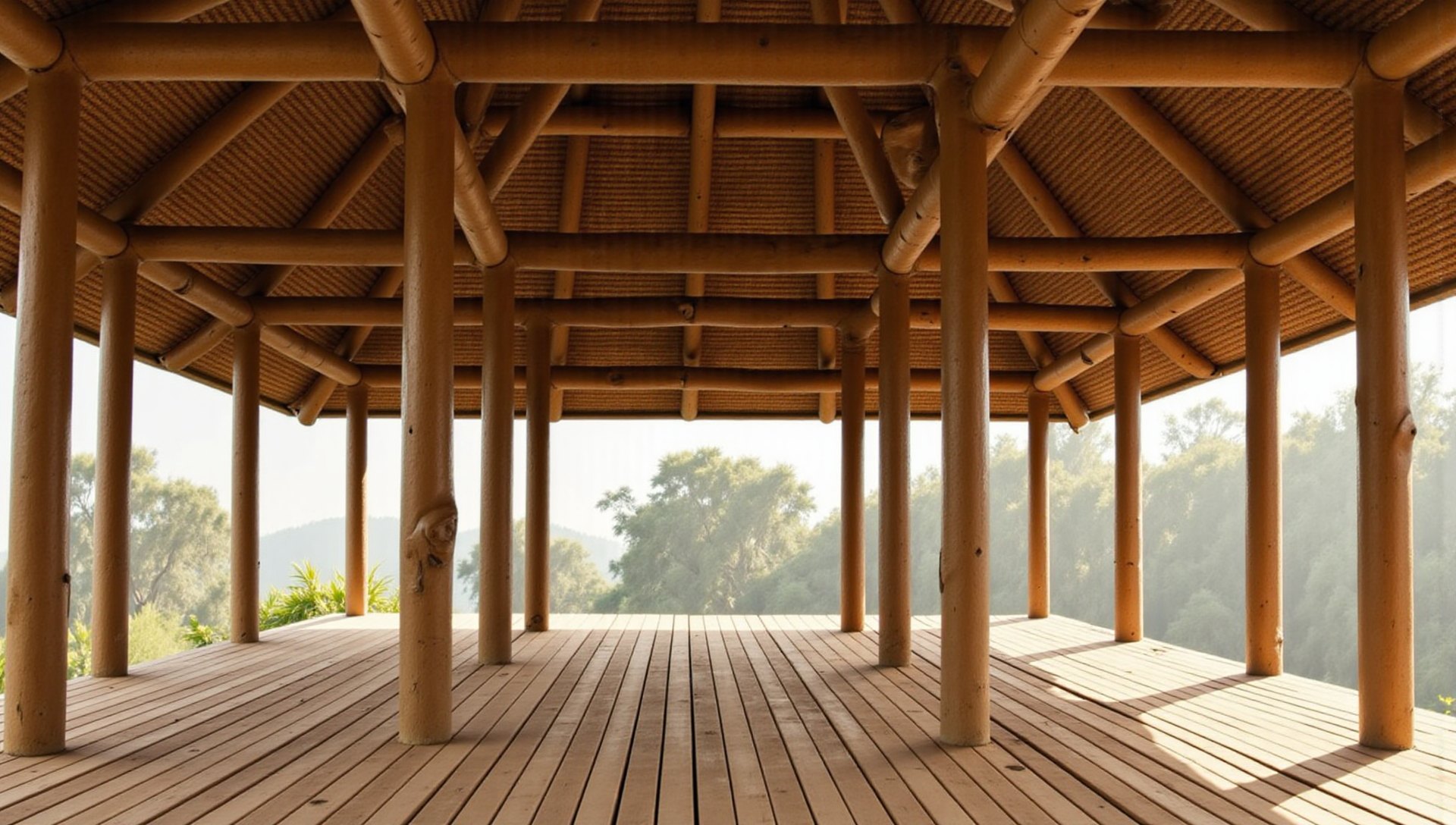
- In the last images Arushi used both LoRAs together (2.0 and 1.0) with very short prompts, to see how much the LoRAs carried on their own.
What the tests looked at
- Whether natural patterns such as woven screens and shadows come through.
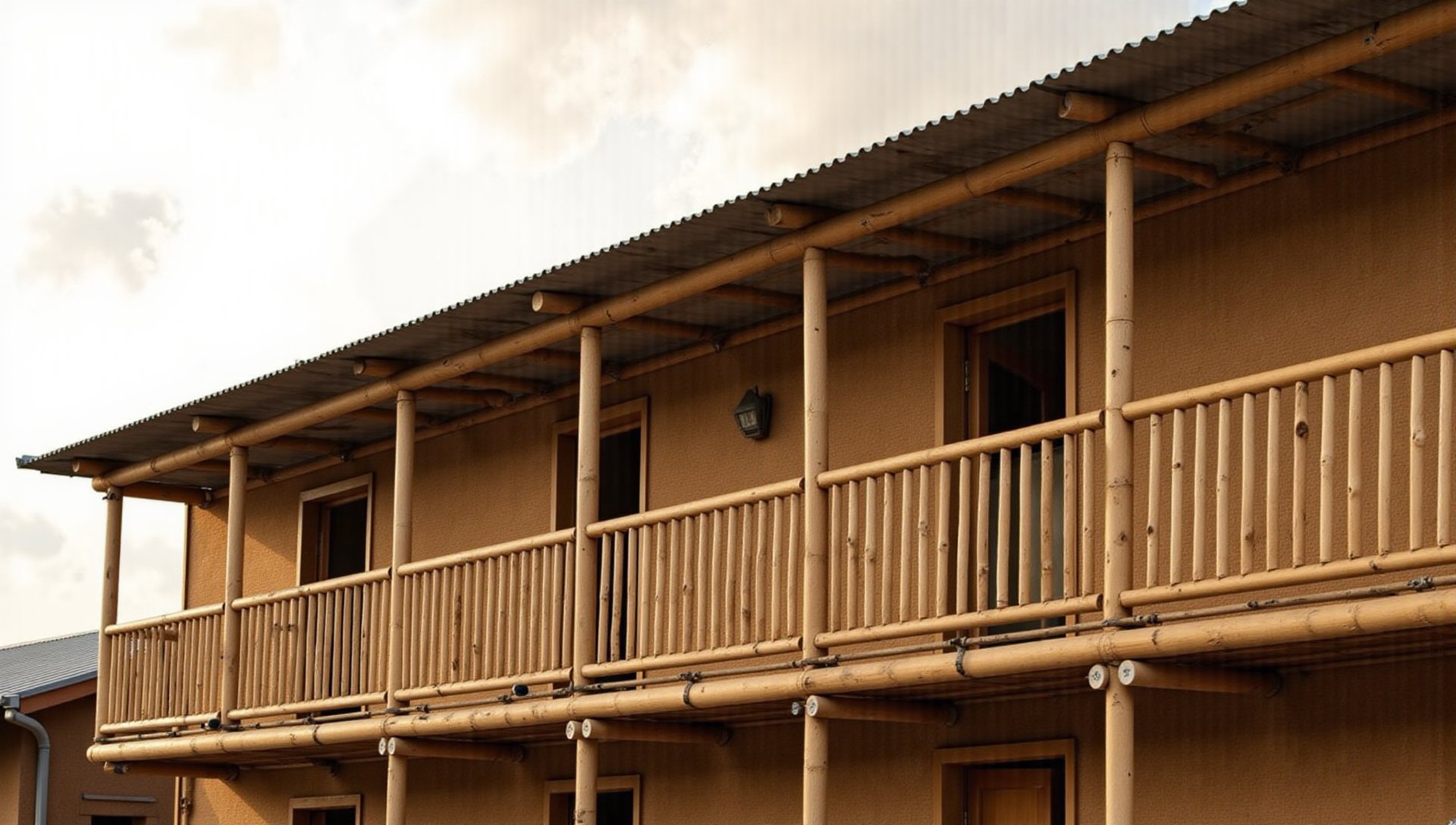
- Whether lashing and structural logic hold up in new building types: bridges, market halls, porches, tea houses.
- How far the bamboo details survive when the prompt gives almost no detail.