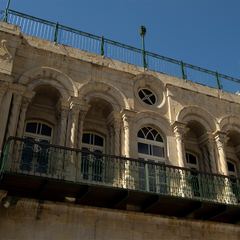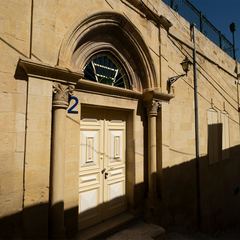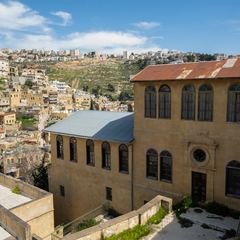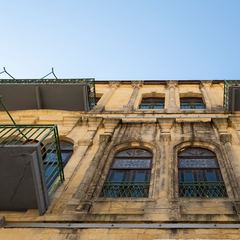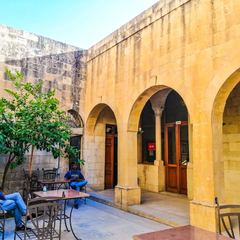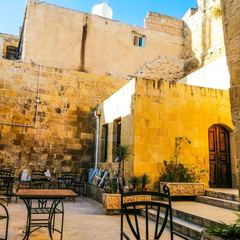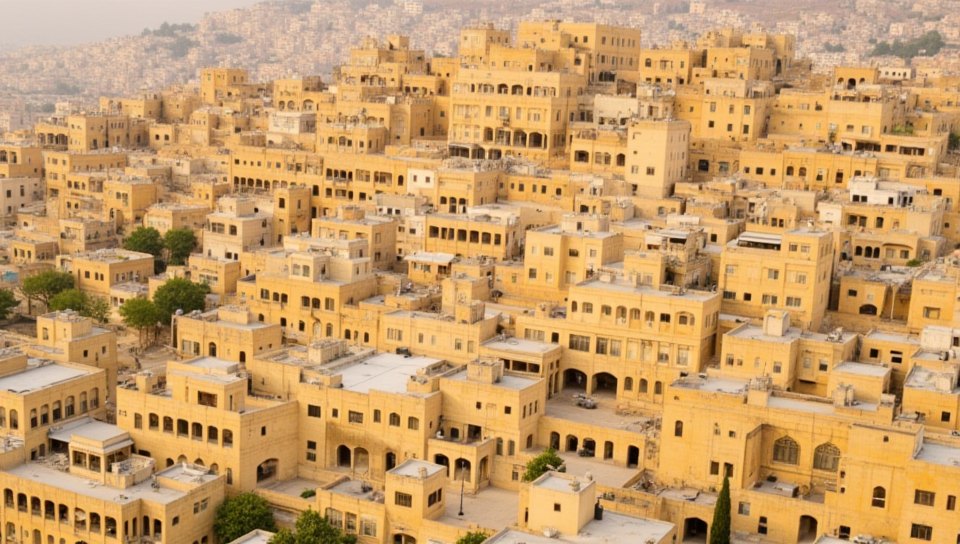
The question
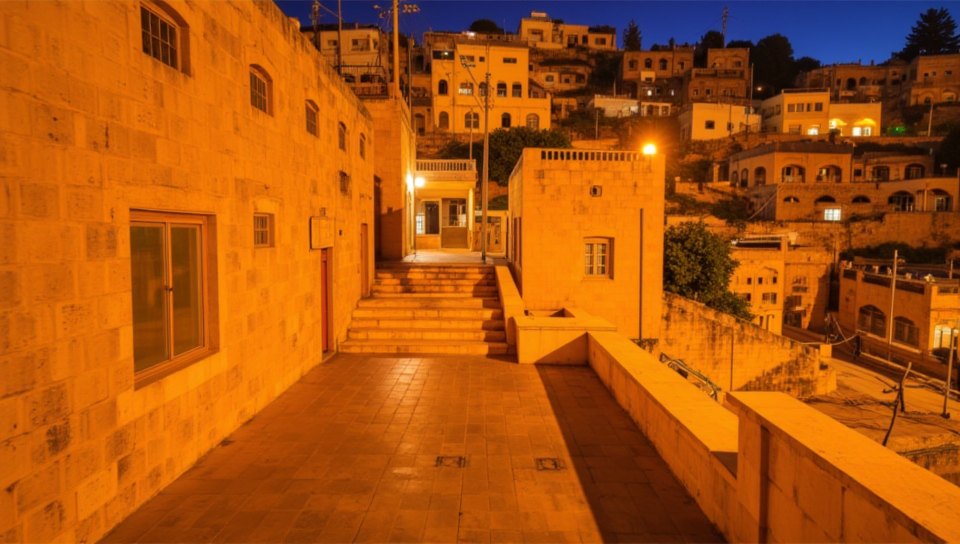
Generative models get their power from breadth, and that breadth comes from averaging, which flattens specific places. Asked for "a house in As-Salt, Jordan", base Flux produced generic Mediterranean or "Arab" buildings. Tamer argued that As-Salt's identity matters enough to be learned.
What they did
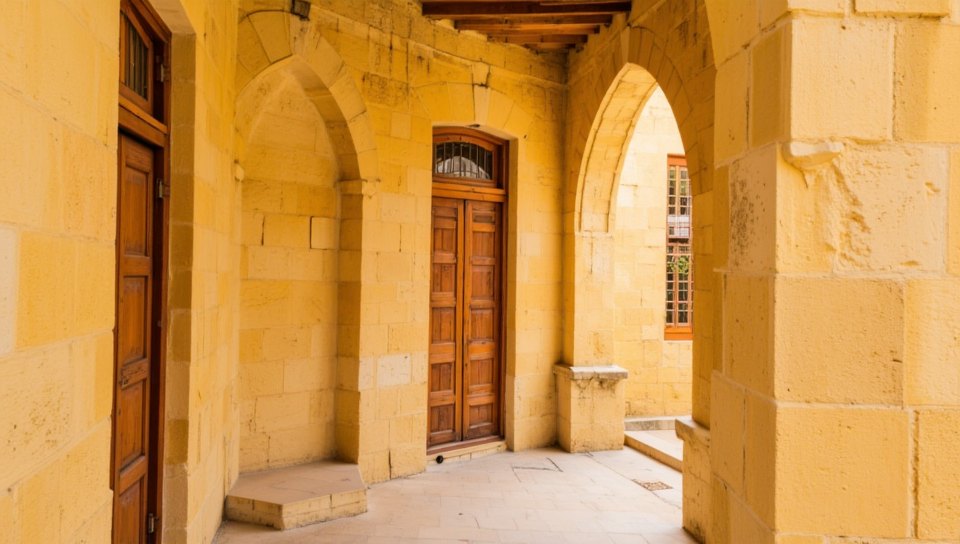
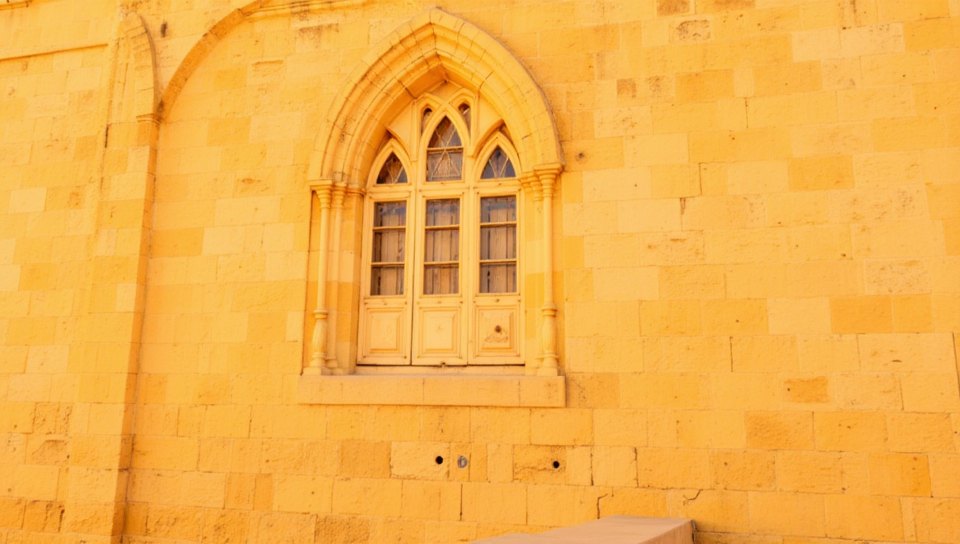
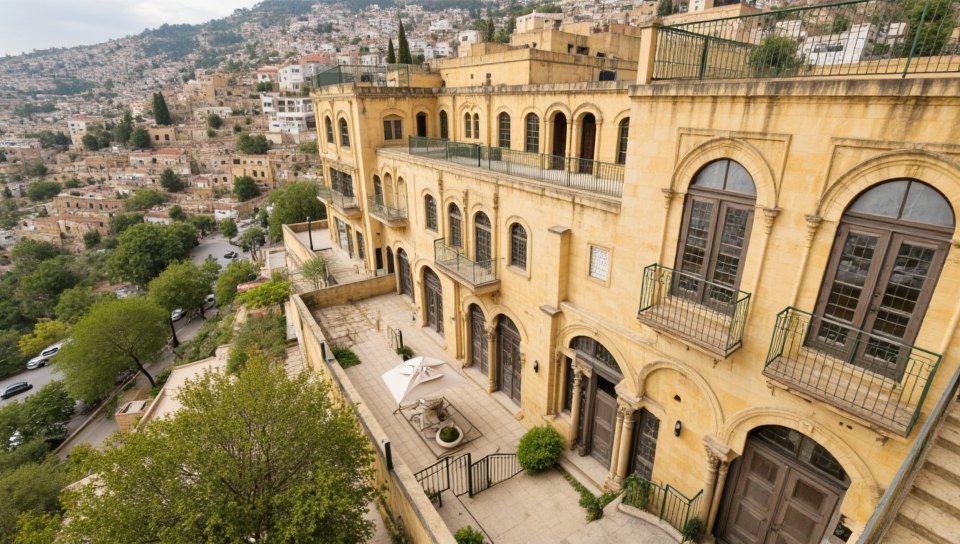
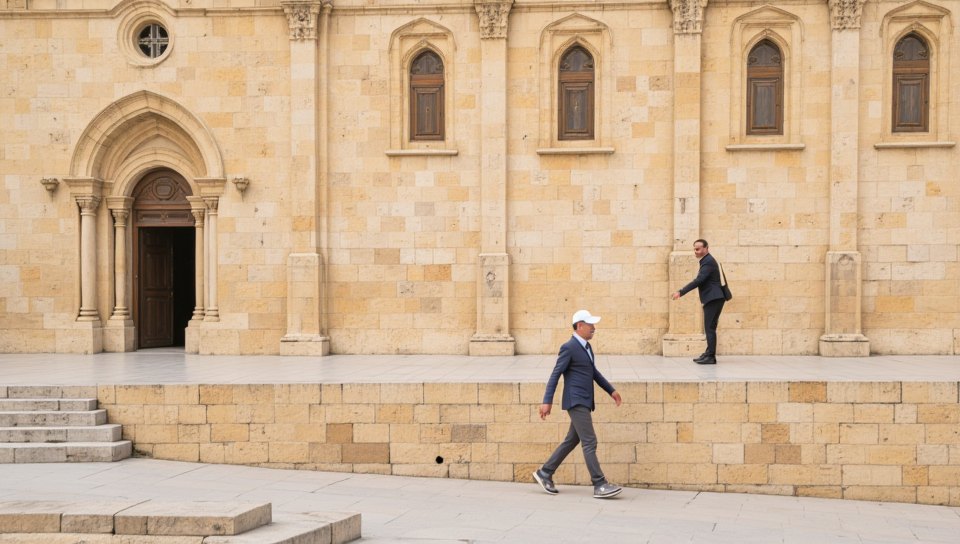
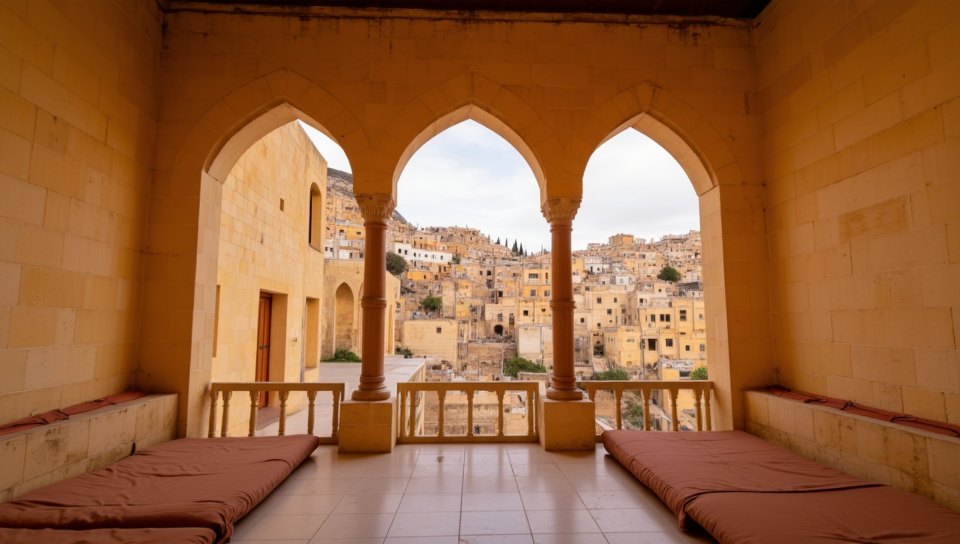
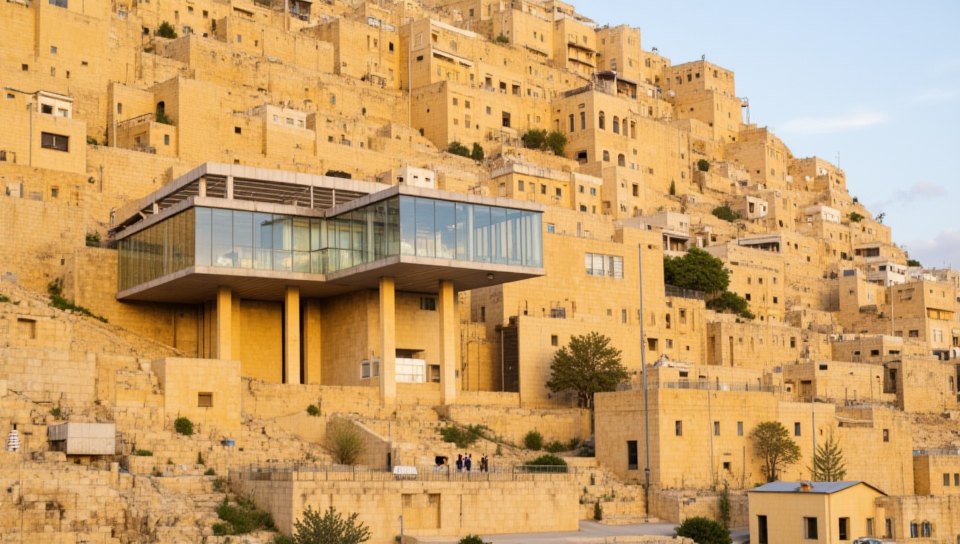
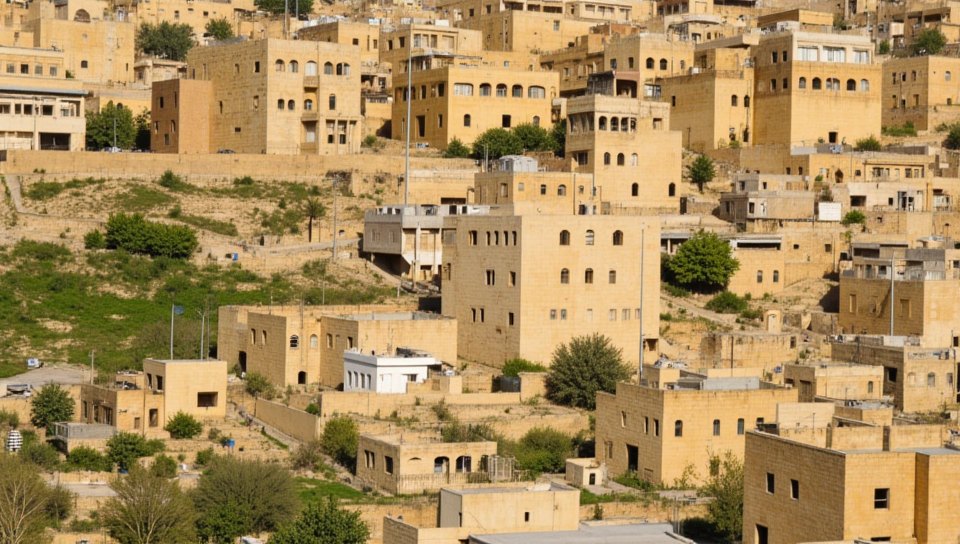
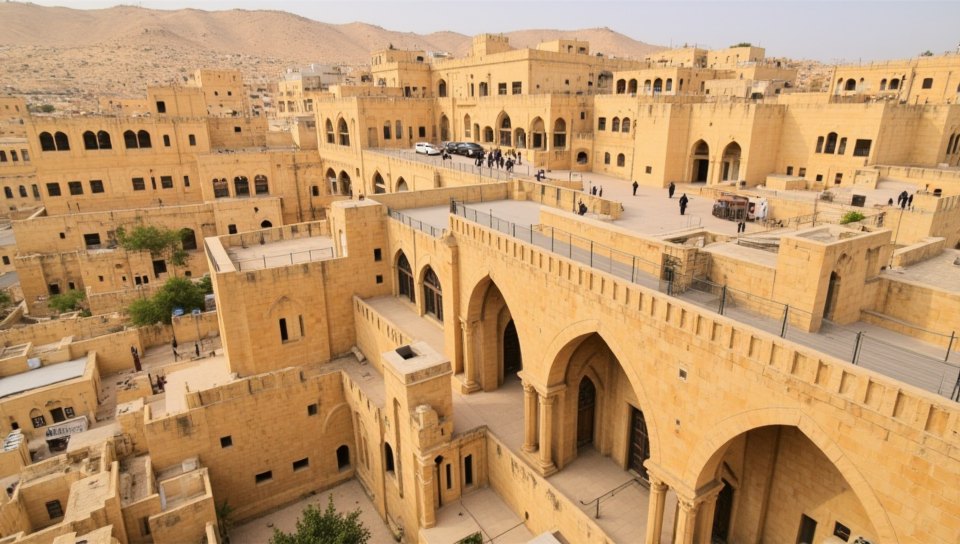
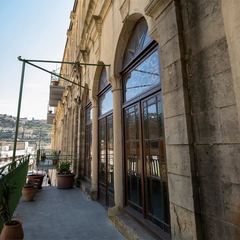
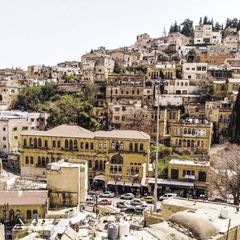
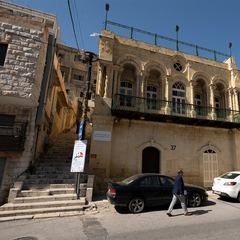
- Built a dataset to "recover and exaggerate" what was missing: the golden-yellow local limestone, buildings cascading down steep slopes, public stair-streets, and the madafa, a hospitality hall tied to an "architecture of the open door".
- Trained a LoRA with the trigger word
architamerand compared the results with the base model, before and after. - Sequenced twelve images in four phases: visual language, scale and condition, atmosphere and hospitality, and speculative futures.
What they found
- The trigger word held material and form steady across scales, from a single window to the whole city, and through sunsets, rain and night.
- It made a "future-primitive" Salti modernism imaginable, though some contradictory ideas such as a futuristic vertical garden didn't work.
- The designer's job is to stop accepting a model's defaults and start shaping them to protect cultural and site-specific identity.